What are you trying to create?
You may have an idea in your head, but translating it into a product or collection requires direction. That is where a mood board comes in.
This issue of Entrepreneur Weekly outlines how an artisan can set the mood.
What is a Mood Board?
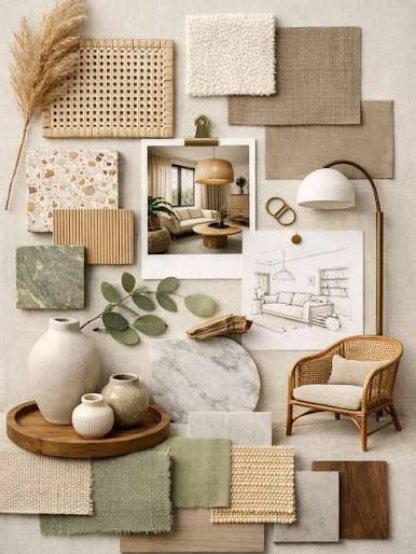
A mood board is a visual representation of the direction you want to take with a project. It brings together images, colours, textures, materials and patterns that communicate how you want the finished product or collection to look and feel.
It can be physical, using photographs, material swatches, samples and magazine clippings, or created digitally using images and other visual references.
Why Start with a Mood Board?
It can be tempting to start making as soon as inspiration hits, but without a clear direction, you may end up with several products that look good individually but do not necessarily belong together. This is why the Jamaica Business Development Corporation (JBDC) product development team encourages producers to think beyond individual pieces and build cohesive collections.
A mood board can help give that collection direction. By bringing your ideas together visually, you can identify the colours, patterns, materials and other design elements that work best together. The pieces in a collection do not have to look identical, but there should be something that connects them and makes them feel like part of the same story.
A mood board can also help you maintain your brand’s identity as you explore new ideas and trends. Before introducing something new, compare it against the colours, materials, style and overall personality that customers already associate with your brand. Something may be popular, but that does not automatically mean it belongs in a collection.
Developing A Mood Board
1.Start with the concept.
Decide what you are creating and who you are creating it for. Choose a few words that describe the feeling you want the finished product to have.
2.Gather inspiration.
Look beyond finished products. Inspiration can come from nature, architecture, artwork, traditional craft techniques, fashion, interiors and everyday Jamaican life.
3.Choose your colours.
Identify a colour palette from your inspiration. Using a defined palette can help different products feel connected as part of the same collection.
4.Think about materials and textures.
For craft, this is particularly important. Fabric, leather, metal and other materials can influence how a product looks and feels.
5.Edit.
More is not always better. Remove images or elements that no longer fit the direction. Your mood board should provide clarity, not create more confusion.
Watch ‘Craft Reimagined’ Online!
Through the ‘Craft Reimagined’ series on our social media pages (@jbdcjamaica), JBDC will take you through a journey of craft development, beginning with a mood board and developing individual pieces before bringing them together in a Jamaican-inspired Christmas display.
Have an idea of your own? JBDC’s Craft Incubator is equipped to accommodate artisans who produce a variety of products including jewellery, leather goods including footwear (sandals), printed textiles among others. The space is able to accommodate multiple users at a time and is equipped with tools such as tumblers, drills, polishing wheel, rolling mill, laser etching machine and a variety of hand tools.
The incubator is also ideal for clients who want to experiment and develop new product concepts and prototypes. Visit www.jbdc.net to learn more. Want to use the space? Book now