

The Entrepreneur Weekly is giving you the roadmap to doing business right. In the last edition, we explored calculating start-up cost. Along your entrepreneurship journey, knowing where the opportunity lies is also key before you get started. One of the most common mistakes entrepreneurs make is trying to sell to everyone. In doing so, they often fail to clearly define who they are building for and who they are speaking to. This is where understanding the difference between target market and target audience becomes critical to business success.
While the two terms are frequently used interchangeably, they are not the same. Knowing the distinction can shape your product development, pricing, marketing strategy, and long-term sustainability.
TARGET MARKET VS TARGET AUDIENCE
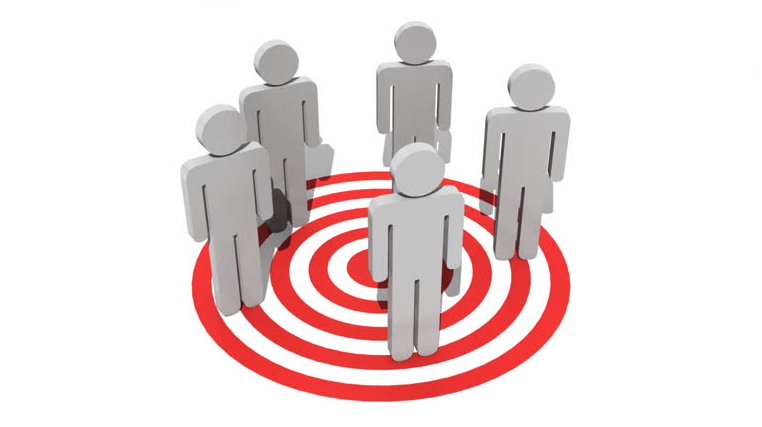
The target market looks at a specific group of people who are more likely to buy your product or service. While the target market is broad, your target audience is more specific. It is a specific segment within that target market who you will directly target with your marketing efforts.
A target market is typically segmented based on:
• Demographics (age, gender, income, education)
• Psychographics (lifestyle, values, interests)
• Behaviour (spending habits, brand loyalty, product usage)
• Geographics (location, climate, urban vs. rural)
When entrepreneurs understand who they are selling to, they can use their time, money, and resources more strategically.
So, if you sell haircare products, your target market might be women aged 18–45 who are interested in hair health and beauty.
However, your target audience for a specific campaign might be:
• Women with natural hair
• Mothers purchasing products for children
• Professionals seeking low-maintenance hair solutions
Each group has different needs, pain points, and buying motivations. Speaking to all of them in the same way weakens your message.
According to Forbes, businesses that clearly understand their customers are better positioned to design relevant products, price effectively, and communicate value in a way that drives loyalty and repeat sales.
JBDC’s Senior Business Development Officer, Andrea Williams also points out that, “Understanding the psyche of who you are selling to will give you insights regarding how to effectively create, price and market your product or service in a way that will translate into repeat sales.”
Customers are not one-dimensional. Their buying behaviour changes over time due to income, trends, convenience, and personal priorities. Continual monitoring allows entrepreneurs to adjust their offerings and selling approach as needed.

TAM, SAM, AND SOM: KEEPING TARGETING REALISTIC
To avoid overestimating opportunity, Hubspot recommends understanding TAM, SAM, and SOM:
TAM (Total Addressable Market): Everyone who could potentially buy your product
- Example: All haircare consumers in Jamaica
SAM (Serviceable Available Market): The portion of the TAM you can realistically serve
- Example: Consumers interested in natural haircare products
SOM (Serviceable Obtainable Market): The realistic share you can capture, especially at the start
- Example: Customers in your parish purchasing through salons or online
This framework helps you to move away from “everybody is my customer” thinking and toward focused, achievable growth.
BULL’S EYE
JBDC is the premiere business development agency in Jamaica that helps entrepreneurs reach their target. Whether you are just starting out or scaling, let us take you to your target ‘From Concept to Market’. Call JBDC at 876-928-5161-5 or visit www.jbdc.net to become a client.


